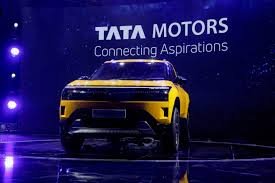
Tata Motors, once a darling of the market, is currently facing significant headwinds. Recent analyst reports and quarterly results have highlighted several key areas of concern that are impacting the company’s performance and stock price. While long-term investors may still see value, the near-term outlook is clouded by a mix of global and domestic pressures. Here are the three big concerns analysts are pointing to right now.
Concern 1: The JLR Business Is Under Pressure
The company’s Jaguar Land Rover (JLR) subsidiary, a major contributor to its profitability, is facing a triple threat: global demand, US tariffs, and model transitions.
First, demand in key markets like Europe and China is softening, which is directly impacting JLR’s sales volumes. This is a significant issue as JLR relies heavily on these regions. Adding to the problem are the new US tariffs on auto imports, which have hit JLR’s exports from the UK hard. Analysts note that these tariffs have already resulted in a steep drop in JLR’s earnings and have weighed on the overall sentiment for Tata Motors.
Thirdly, JLR is in the midst of a strategic transition, phasing out older Jaguar models while developing its next-generation electric vehicles. This transition, while necessary for long-term growth, is creating short-term disruptions and costs. While recent trade deals between the UK and US, as well as the EU and US, are expected to provide some relief on tariffs in the coming quarters, the immediate impact has been substantial.
Concern 2: Moderating Demand in India’s Passenger Vehicle (PV) Segment
On the domestic front, Tata Motors’ passenger vehicle business is facing its own set of challenges. Analysts point to a general slowdown in consumer demand and increasing competition as major factors.
The company’s passenger vehicle wholesale volumes have declined, with industry-wide softness and a shift in consumer preferences impacting sales. The situation is compounded by stiffer competition from rivals like Mahindra, which are launching new and refreshed models that are capturing market share. While Tata Motors’ electric vehicle (EV) segment remains a bright spot, the overall PV business is experiencing pressure on margins due to lower sales volumes and the need for higher discounts to clear inventory. The company’s recent Q1FY26 results showed a decline in PV revenue and a drop in EBITDA margins for the segment.
Concern 3: Weak Financials and a Cautious Outlook
The culmination of these issues is reflected in the company’s financial performance and management’s cautious tone. Recent earnings reports have been weak, with consolidated net profit plunging significantly year-on-year. This was largely driven by a steep drop in JLR’s profitability and pressure on the India PV segment.
Brokerages have responded by lowering their target prices and maintaining a cautious or “Neutral” stance on the stock. They are concerned about the demand risks, tariff-led uncertainties, and the potential for a slow recovery. While the company’s commercial vehicle (CV) business shows some resilience, and management expects a better performance in the second half of the year, the near-term financial picture remains challenging.
While some analysts see the stock’s current valuation as “undemanding,” they also acknowledge the significant risks. The market is waiting for clear signs of a turnaround, particularly in JLR and the domestic PV segment, before regaining confidence.
The YouTube video “Nifty’s Sixth Weekly Fall Underscores Market Caution; Tata Motors In Focus| Opening Bell Live” is relevant because it discusses the broader market caution and specifically highlights Tata Motors as a stock in focus following its recent earnings report.
A Deeper Look: The 3 Critical Concerns Weighing on Tata Motors
Tata Motors has been a volatile stock, driven by the fortunes of its diverse business segments. While the company’s long-term strategy, particularly around EVs and the commercial vehicle demerger, has garnered praise, recent quarterly results and a changing global landscape have brought a set of specific, significant concerns to the forefront. This deep dive explores the three primary issues identified by analysts, moving beyond the headlines to the underlying financial and strategic details.
Concern 1: The JLR Business is Facing a Perfect Storm
The Jaguar Land Rover (JLR) subsidiary has long been the powerhouse of Tata Motors’ consolidated earnings. However, it’s currently battling a complex mix of external and internal challenges that have directly impacted its profitability.
A. Geopolitical and Trade Pressures: The most immediate and painful hit to JLR has been the new US trade tariffs. These tariffs, as high as 27.5% on UK and EU-produced vehicles, have significantly impacted JLR’s profitability and cash flow. For a company that exports a substantial number of high-value vehicles to the US, this is a direct and material blow. While recent trade deals between the UK-US and EU-US are expected to reduce these tariffs in the coming quarters, the financial impact in the short term has been a major drag. Analysts have noted a sharp decline in JLR’s Profit Before Tax (PBT) and a negative free cash flow in the recent quarter, directly linked to these tariffs.
B. The Strategic Model Transition: JLR is in the middle of its ambitious “Reimagine” strategy, which involves a massive shift towards electric vehicles and a complete overhaul of its product lineup. While essential for its future, this transition is costly and disruptive. The company is phasing out legacy Jaguar models, which temporarily impacts sales volumes. At the same time, it is pouring billions into R&D for next-generation electric platforms, such as the new electric Range Rover. This creates a challenging situation where the company’s cash is being used for future growth at a time when its existing profit engines are sputtering.
C. Softening Global Demand: Beyond the tariffs and transition, analysts have pointed to a general softening of demand in crucial markets, particularly China and parts of Europe. This is further compounded by a highly competitive luxury vehicle segment. JLR’s reliance on a few key, profitable models like the Range Rover, Range Rover Sport, and Defender, while beneficial for margins, makes it vulnerable to any decline in demand for these specific vehicles.
Management’s Perspective & Mitigating Factors: JLR’s management acknowledges these challenges but remains optimistic about the long-term. They have reiterated their full-year guidance for a healthy EBIT margin and aim for a net debt-free status. The recent trade deals offer a clear path to tariff relief, and the company’s strong order book suggests that demand is not completely gone, but rather held back by supply issues and the ongoing model transition.
Concern 2: Domestic Passenger Vehicle (PV) Segment is Slowing Down
While JLR captures a lot of the spotlight, the domestic passenger vehicle business, a key part of Tata Motors’ brand identity and a significant growth driver in recent years, is also facing a slowdown.
A. General Market Softness: After a period of post-pandemic boom, the Indian PV market is showing signs of moderation. Analysts note a slowdown in consumer demand and a general “wait-and-watch” approach by buyers. Tata Motors’ PV wholesale volumes have seen a decline, and the overall industry is grappling with lower-than-expected retail sales. This has led to a buildup of channel inventory, forcing companies to offer higher discounts, which eats into profit margins.
B. Intense Competition and Market Share: Tata Motors’ domestic market share, particularly in the highly lucrative SUV segment, is under threat. Rivals like Mahindra & Mahindra and Maruti Suzuki are launching new and refreshed models, intensifying the competitive pressure. While Tata Motors’ launches, like the Curvv, have been well-received, the company is fighting to maintain its market position in a crowded and competitive space.
C. EV Segment’s Mixed Signals: The Electric Vehicle (EV) segment, where Tata Motors is the clear leader, presents a mixed picture. While monthly EV sales have hit record highs, analysts are concerned about the slowdown in the personal EV segment, which has been impacted by the lapse of state-level subsidies and a general decline in consumer confidence. On the other hand, the fleet segment continues to grow, providing a consistent source of demand. The company is investing heavily in new EV models and a battery gigafactory, but the returns from these investments are still in the future.
Concern 3: Financial Weakness and a Cautious Outlook
The combined effect of these pressures has been a noticeable deterioration in Tata Motors’ consolidated financials.
A. Profitability Plunge: The most recent quarterly results revealed a significant drop in consolidated net profit, driven primarily by the poor performance of JLR. The company’s overall EBITDA margins have also come under pressure. While the commercial vehicle (CV) business has shown some resilience and improved its margins, it wasn’t enough to offset the weaknesses in the other two key segments.
B. Analyst Downgrades and Cautious Ratings: In response to the weak financials and the management’s cautious tone, several leading brokerages have lowered their target prices and maintained a “Neutral” or “Hold” rating on the stock. They are concerned about the demand risks, the uncertainty of tariffs, and the potential for a slow recovery. This shift in analyst sentiment is a key reason for the stock’s recent underperformance.
C. The Balancing Act of Capital Allocation: Tata Motors is in a tricky position. It needs to invest massive amounts of capital into JLR’s “Reimagine” strategy and its domestic EV business while simultaneously managing a cautious financial environment. The recent demerger announcement, which separates the CV and PV businesses, is seen as a strategic move to unlock value and give each business a clearer focus. However, the market is waiting for this to translate into tangible financial results and a clearer path to profitability.
Conclusion: The narrative around Tata Motors has shifted from one of unbridled optimism to one of cautious apprehension. While the company’s strategic initiatives hold great promise for the long term, the immediate concerns surrounding JLR’s profitability, the domestic PV slowdown, and the resulting financial weakness are real and significant. For investors, the key lies in monitoring the company’s progress on these three fronts and assessing whether the current stock price accurately reflects both the near-term challenges and the long-term potential.
The Road Ahead Is Bumpy: A Deep Dive into the 3 Big Concerns for Tata Motors
Chapter 1: The Complex Web of Challenges Facing Jaguar Land Rover (JLR)
Jaguar Land Rover (JLR) is not just a luxury car brand; it’s the financial engine of Tata Motors. However, a series of compounding pressures—geopolitical, strategic, and economic—have created a “perfect storm” that is severely testing its resilience. This chapter deconstructs the multifaceted concerns that analysts have highlighted.
1.1. Geopolitical Headwinds: The US Tariff Impact
Recent financial data from Tata Motors’ Q2 FY25 results shows a clear correlation between geopolitical tensions and JLR’s performance. JLR’s revenue was down by 5.6% and its EBIT margin fell by a substantial 220 basis points (bps) to 5.1%. A major contributing factor to this decline was the impact of US tariffs on auto imports, which have hit JLR’s exports from the UK hard. The company’s financial statements explicitly mention that the decrease in profitability was due to “lower wholesales and increased costs.” This is not a fleeting issue; it’s a direct outcome of a changing global trade landscape. While the company’s management has expressed gratitude for new trade deals between the UK and US that are expected to “lessen the significant US tariff impact in subsequent quarters,” the damage has already been done, and the recovery timeline remains a point of caution for analysts.
1.2. The ‘Reimagine’ Strategy: A Costly Transition
JLR’s strategic shift to an all-electric future, branded as “Reimagine,” is both a necessity and a significant short-term burden. The company is in a complex and expensive phase, which involves phasing out legacy Jaguar models while simultaneously investing heavily in new electric platforms. The recent Q2 FY25 results reflect this, with a negative free cash flow of £(256) million, again “reflecting constrained production and wholesale volumes.”
R&D Spending: The company is committed to investing £3.8 billion this fiscal year for the development of next-generation EVs. This is a massive capital expenditure at a time when the company’s core profitability is under pressure.
Production Disruptions: The search results indicate JLR has faced “temporary aluminum supply constraints” and “supply challenges” which have further impacted production and wholesale volumes. This shows that the transition is not only costly but also vulnerable to supply chain issues.
Model Lineup: While the new electric Range Rover and other EV models are generating buzz, the wind-down of older, profitable models is creating a temporary vacuum in sales. This is a classic “valley of death” scenario where the old business is declining before the new one is fully up to speed.
1.3. A Softening Global Luxury Market
Beyond internal strategic shifts, JLR is also contending with a broader softening of demand in key global markets. The economic slowdown in China and parts of Europe, coupled with rising interest rates, has made consumers more cautious about making high-value luxury purchases. Analysts from firms like Nomura have noted that these “demand risks” are a key downside for the stock. This suggests that JLR’s issues are not entirely company-specific but are also tied to a less-than-favorable macroeconomic environment. The recent decline in revenue and sales volumes at JLR is a direct reflection of these broader market trends.
Chapter 2: The Evolving Landscape of India’s Passenger Vehicle (PV) Business
Tata Motors’ domestic PV business has been a source of pride, with its strong portfolio and leadership in the EV space. However, this segment is now also showing signs of weakness, raising a second major concern for analysts.
2.1. Moderating Demand and Market Share Loss
After a period of robust growth, the Indian passenger vehicle market is experiencing a slowdown. The Q2 FY25 results for Tata Motors’ PV segment show a revenue decline of 3.9% and a drop in EBITDA margins by 30 bps. This is attributed to “overall industry softness and a shift in consumer preferences.”
Intensifying Competition: Analyst reports highlight that competition is intensifying from rivals like Mahindra, Toyota, and Kia, which have launched new and refreshed models that are capturing market share. A report from Auto Punditz notes that “Mahindra became the second-largest carmaker in H1-2025” and that Tata Motors “witnessed steep volume drops and higher discounts across their product ranges.”
The Punch Phenomenon Fades: A striking detail from the search results is that the Tata Punch, which was the top-selling car in 2024, dropped to the “number 10 position in 2025.” This is a significant setback for a model that was a key driver of the company’s domestic success.
Focus on SUVs: While the broader market is shifting towards SUVs and crossovers, Tata Motors is facing fierce competition in this segment, with rivals gaining market share through new product launches.
2.2. The Electric Vehicle (EV) Conundrum
Tata Motors has a clear first-mover advantage in the Indian EV market. However, even this segment is not without its challenges. The search results mention a “slowdown in the personal EV segment” due to the lapse of state-level subsidies. While the fleet segment for EVs remains a “bright spot,” the overall growth trajectory of the PV business is now facing questions as the core Internal Combustion Engine (ICE) business struggles and the EV segment faces headwinds. The company’s success will increasingly depend on its ability to sustain its market share in the face of growing competition from both domestic and international players.
Chapter 3: Weak Financials and a Cautious Outlook
The final and most significant concern is how these business-specific issues are translating into a weaker financial performance and a cautious outlook from both management and analysts.
3.1. The Plunge in Profits and Target Price Cuts
The recent Q1 FY26 results for Tata Motors were a wake-up call for the market. The company reported a sharp 62.2% year-on-year drop in consolidated net profit to Rs 4,003 crore, missing analyst estimates. This was largely attributed to the “volume decline across segments, a fall in Jaguar Land Rover earnings, and the absence of a large one-time gain booked last year.”
Analyst Reactions: Brokerages have responded by either lowering their target prices or maintaining a “Neutral” or “Hold” rating. Nomura, for instance, has cut its target price to Rs 704, citing “demand risks.” Nuvama has also cut its target price to Rs 610 from Rs 670, maintaining a “Reduce” call. This shift in analyst sentiment is a key driver behind the stock’s recent underperformance.
Lowered Expectations: Analysts are now building in a “moderate 5% revenue CAGR over FY25–28E” and a low “4% EBITDA CAGR” for the same period. This indicates that the market is no longer expecting the kind of explosive growth that had driven the stock’s previous rallies.
3.2. A Challenging Capital Allocation Strategy
The demerger of Tata Motors’ commercial and passenger vehicle businesses, while a bold strategic move, also brings with it a complex financial reality. The company needs to invest heavily in its EV businesses and JLR’s “Reimagine” strategy at a time when its profitability is under pressure. Analysts are now closely watching the company’s capital allocation decisions, particularly with the new structure.
3.3. Management’s Cautious Tone
Even management’s public statements reflect a cautious outlook. The Group CFO, P.B. Balaji, has stated that while “business fundamentals remain strong,” they are “cautious on near-term domestic demand.” The company is hoping for a strong recovery in the second half of the year, driven by the festive season in India and an easing of supply chain issues for JLR. However, analysts are wary of placing too much faith in this “H2” recovery without seeing tangible evidence. The market is now waiting for a clear catalyst to justify a more bullish stance on the stock.