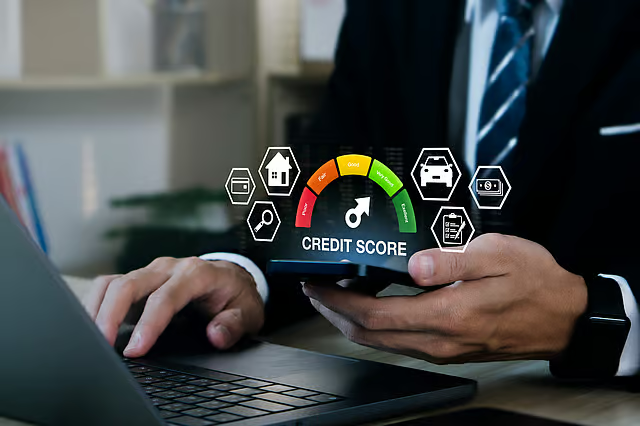
Buy Now, Pay Later (BNPL) services exploded during the pandemic, offering consumers a seemingly pain-free way to split purchases into manageable installments. But as we head deeper into 2025, a seismic shift is happening behind the scenes that could catch millions of users off guard: BNPL loans are finally being integrated into traditional credit scoring systems.
After years of operating in the shadows of credit reporting, the BNPL industry is about to collide head-first with America’s credit infrastructure — and the implications could be far more significant than most consumers realize.
The Credit Reporting Revolution is Here
For years, BNPL providers operated in what economists called a “phantom debt” zone. These loans existed outside traditional credit reporting, meaning missed payments wouldn’t hurt your credit score, but successful payments wouldn’t help it either. That era is ending rapidly.
The timeline of change:
- April 2025: Affirm became the first major U.S. BNPL provider to report all loans to Experian
- June 2025: FICO announced plans to launch credit scores incorporating BNPL data this fall
- 2024-2025: All three major credit bureaus (Experian, Equifax, and TransUnion) committed to including BNPL data in credit reports
This isn’t just a minor policy adjustment — it represents the integration of a $24 billion industry into the traditional credit ecosystem.
The Hidden Scale of the Problem
The scope of BNPL usage might surprise you. Recent data reveals that approximately 25% of U.S. consumers used BNPL services in the past year, with usage expected to continue climbing. More concerning is who’s using these services and how.
Research from the Federal Reserve shows that BNPL users typically have riskier financial profiles:
- Younger and less financially experienced
- Higher existing debt burdens
- Lower credit scores
- Multiple simultaneous BNPL loans from different providers
One-fifth of BNPL users held loans from multiple lenders simultaneously, creating a web of obligations that was largely invisible to traditional credit monitoring.
Why “Phantom Debt” Should Worry Everyone
Wells Fargo senior economist Tim Quinlan coined the term “phantom debt” to describe the massive blind spot in consumer credit data. This invisible debt load has several troubling implications:
For Individual Consumers:
- Sudden credit score impacts when BNPL reporting begins
- Difficulty qualifying for mortgages, auto loans, or credit cards
- Potential for over-leveraging without realizing it
- Late payment penalties that now carry lasting consequences
For the Broader Economy:
- Economists can’t accurately assess consumer financial health
- Lenders making decisions with incomplete information
- Policymakers operating without full visibility into consumer debt levels
- Potential for systemic underestimation of credit risk
The Coming Credit Score Shock
As BNPL data integrates into credit scoring, millions of consumers may experience unexpected changes to their credit profiles. Here’s what to expect:
Positive Impacts
- Responsible BNPL users may see credit score improvements
- Expanded credit histories for those with thin credit files
- Recognition of good payment behavior previously invisible to lenders
Negative Consequences
- Late or missed BNPL payments will now hurt credit scores
- Multiple BNPL accounts may appear as excessive credit seeking
- High utilization of BNPL services could signal financial stress
- Past payment issues may suddenly impact credit applications
Who’s Most at Risk?
The demographic most likely to face negative impacts includes:
Young Adults (18-29): Heavy BNPL users who may not realize the credit implications of their payment behavior.
Credit-Building Consumers: Those using BNPL thinking it won’t affect their credit, potentially damaging scores they’re trying to improve.
Multiple BNPL Users: Consumers juggling several BNPL accounts who may appear over-leveraged once all accounts are visible to credit bureaus.
Inconsistent Payers: Users who occasionally miss or delay BNPL payments, thinking there are no long-term consequences.
The Regulatory Response
The Consumer Financial Protection Bureau (CFPB) has been pushing for BNPL integration into credit reporting since 2022. In May 2024, the CFPB announced that BNPL lenders would be classified as credit card providers, giving consumers additional dispute rights and refund protections.
However, regulatory protections may not address the fundamental issue: millions of consumers using BNPL services without understanding their potential credit implications.
What This Means for Financial Planning
The integration of BNPL into credit reporting represents a fundamental shift in how consumer debt is tracked and evaluated. Financial advisors and consumers need to prepare for:
Immediate Actions Needed:
- Audit existing BNPL usage: Review all active BNPL accounts and payment histories
- Consolidate or pay down: Consider reducing the number of active BNPL accounts
- Set up payment reminders: Ensure all BNPL payments are made on time going forward
- Monitor credit reports: Watch for BNPL accounts appearing on credit reports
Long-term Considerations:
- BNPL will no longer be a “free pass” for credit-conscious consumers
- Traditional credit building strategies become more important
- Financial literacy education must include BNPL implications
- Consumer debt counseling services need to address BNPL usage
The Bottom Line: BNPL Accountability Era Begins
The days of consequence-free BNPL usage are ending. As these services integrate into traditional credit reporting, consumers who have been using BNPL as an alternative to credit cards may find their financial behavior has been creating a credit trail all along — they just couldn’t see it.
This shift could be positive for responsible users who will finally see their good payment behavior reflected in their credit scores. But for the millions of consumers who have been casual or inconsistent with BNPL payments, the coming integration represents a potential credit score time bomb.
The key question isn’t whether BNPL will impact credit scores — that change is already happening. The question is whether consumers will adapt their behavior before these changes catch them off guard.
As we move through 2025, financial literacy around BNPL services becomes more critical than ever. Consumers who understand and prepare for these changes will be better positioned to benefit from BNPL’s convenience without sacrificing their financial futures. Those who don’t may find that their “buy now, pay later” decisions have lasting consequences they never expected.
The integration of BNPL into traditional credit reporting represents one of the most significant changes to consumer credit in decades. Stay informed about these developments and consider how your BNPL usage might affect your long-term financial goals.