Selling mutual funds is a crucial decision that can significantly impact your financial future. Whether you’re rebalancing your portfolio, facing a financial emergency, or simply reassessing your investment strategy, knowing when and how to sell your mutual funds properly can save you money and help you achieve your financial goals.
Understanding When to Sell
Good Reasons to Sell Mutual Funds
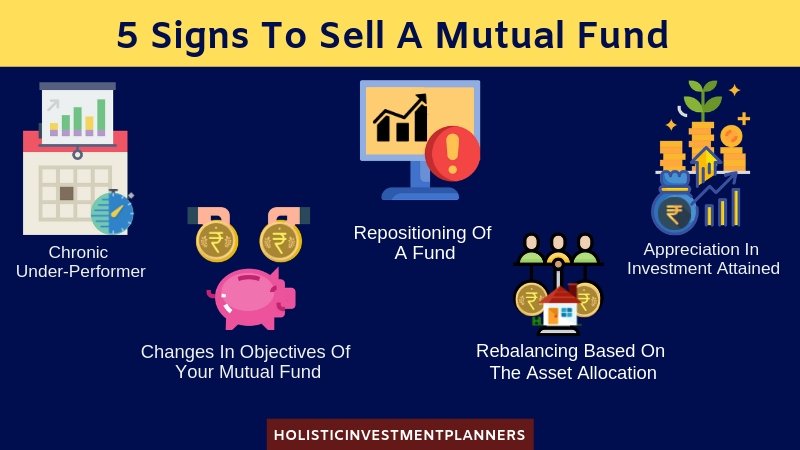
Portfolio Rebalancing: Over time, your asset allocation can drift from your target percentages due to market performance. Selling overperforming funds to buy underperforming assets helps maintain your desired risk level.
Life Changes: Major life events like retirement, buying a home, or paying for education may require liquidating investments to fund these goals.
Fund Performance Issues: If a fund consistently underperforms its benchmark or peer group over 3-5 years, it may be time to consider alternatives.
High Fees: Funds with expense ratios significantly higher than similar options can erode your returns over time.
Strategy Changes: Your investment timeline, risk tolerance, or financial goals may evolve, requiring different fund choices.
Poor Reasons to Sell
Market Volatility: Short-term market fluctuations are normal and don’t warrant immediate selling.
Recent Poor Performance: One bad quarter or year doesn’t indicate long-term problems.
Emotional Reactions: Fear-based or greed-driven decisions often lead to buying high and selling low.
The Step-by-Step Selling Process
1. Review Your Investment Goals
Before making any moves, reassess your current financial situation and long-term objectives. Ask yourself:
- Has your risk tolerance changed?
- Are you still on track to meet your financial goals?
- Do you need the money for a specific purpose?
2. Analyze Fund Performance
Compare your fund’s performance to relevant benchmarks and similar funds over multiple time periods (1, 3, 5, and 10 years if available). Look beyond just returns and consider:
- Consistency of performance
- Risk-adjusted returns
- Fund manager changes
- Expense ratios and fees
3. Consider Tax Implications
Tax-Advantaged Accounts: Sales within 401(k)s, IRAs, and other retirement accounts generally don’t trigger immediate taxes.
Taxable Accounts: Selling mutual funds in regular brokerage accounts can generate capital gains or losses:
- Short-term gains (held less than one year): Taxed as ordinary income
- Long-term gains (held more than one year): Taxed at preferential capital gains rates
- Losses: Can offset gains and up to $3,000 of ordinary income annually
4. Timing Your Sale
Avoid Market Timing: Don’t try to time the market perfectly. Instead, focus on your long-term strategy.
Dollar-Cost Averaging Out: Consider selling gradually over time rather than all at once to reduce timing risk.
Tax-Loss Harvesting: If you have gains elsewhere, selling losing positions can help offset tax liability.
How to Execute the Sale
1. Contact Your Fund Company or Broker
Online Platforms: Most brokerages offer easy online selling through their websites or mobile apps.
Phone Orders: Call your broker or fund company’s customer service line.
Written Requests: Some companies still accept written sell orders, though this is becoming less common.
2. Choose Your Selling Method
Dollar Amount: Sell a specific dollar value of shares.
Share Quantity: Sell a specific number of shares.
Percentage: Sell a percentage of your holdings.
3. Understand Settlement Times
Most mutual fund sales settle within 1-3 business days, meaning you’ll receive your proceeds in that timeframe. Some funds may have longer settlement periods, especially international or specialized funds.
What to Do with Sale Proceeds
Reinvestment Options
Different Mutual Funds: Move to funds that better align with your current strategy.
ETFs: Consider exchange-traded funds for potentially lower fees and more flexibility.
Individual Stocks: If you have the knowledge and time for research.
Bonds or CDs: For more conservative, income-focused investments.
Non-Investment Uses
Emergency Fund: Ensure you have 3-6 months of expenses saved.
Debt Repayment: Pay off high-interest debt before investing.
Major Purchases: Fund planned expenses like home improvements or education.
Common Mistakes to Avoid
Emotional Decision Making
Markets will always have ups and downs. Making decisions based on fear during market downturns or greed during bull markets often leads to poor outcomes. Stick to your long-term plan and avoid knee-jerk reactions to market news.
Ignoring Fees and Taxes
Always calculate the total cost of selling, including:
- Redemption fees (some funds charge these)
- Tax implications
- Lost future compound growth
Selling Everything at Once
Unless you need all the money immediately, consider a phased approach to selling. This helps reduce timing risk and provides flexibility if market conditions change.
Not Having a Plan for Proceeds
Before selling, know exactly what you’ll do with the money. Having proceeds sit in a low-yield savings account for months defeats the purpose of investing.
Special Considerations
Fund-Specific Rules
Load Funds: Be aware of any backend load fees that may apply.
Minimum Holding Periods: Some funds impose short-term trading fees for sales within 30-90 days of purchase.
Systematic Withdrawal Plans: For regular income needs, consider setting up automatic monthly or quarterly withdrawals instead of lump-sum sales.
Market Conditions
While you shouldn’t time the market, be aware of extreme market conditions that might affect your decision timing. During periods of high volatility, consider whether your sale is truly necessary or if it can wait for calmer conditions.
Building a Sustainable Strategy
Regular Portfolio Reviews
Schedule quarterly or semi-annual reviews of your mutual fund holdings. This prevents the need for dramatic changes and helps you stay aligned with your goals.
Diversification Principles
Maintain appropriate diversification across asset classes, geographic regions, and investment styles. This reduces the need for frequent trading and provides more stable long-term returns.
Professional Guidance
Consider working with a fee-only financial advisor, especially for large transactions or complex situations. They can provide objective guidance and help you avoid costly mistakes.
Conclusion
Selling mutual funds is a normal part of portfolio management, but it should be done thoughtfully and strategically. Focus on your long-term financial goals rather than short-term market movements, understand the tax and fee implications of your decisions, and always have a clear plan for your proceeds.
Remember that successful investing is more about time in the market than timing the market. Before selling, ensure that your decision aligns with your overall financial strategy and isn’t driven by emotional reactions to temporary market conditions.
By following these guidelines and maintaining a disciplined approach, you can make informed decisions about when and how to sell your mutual funds while staying on track toward your financial objectives.